Introduction
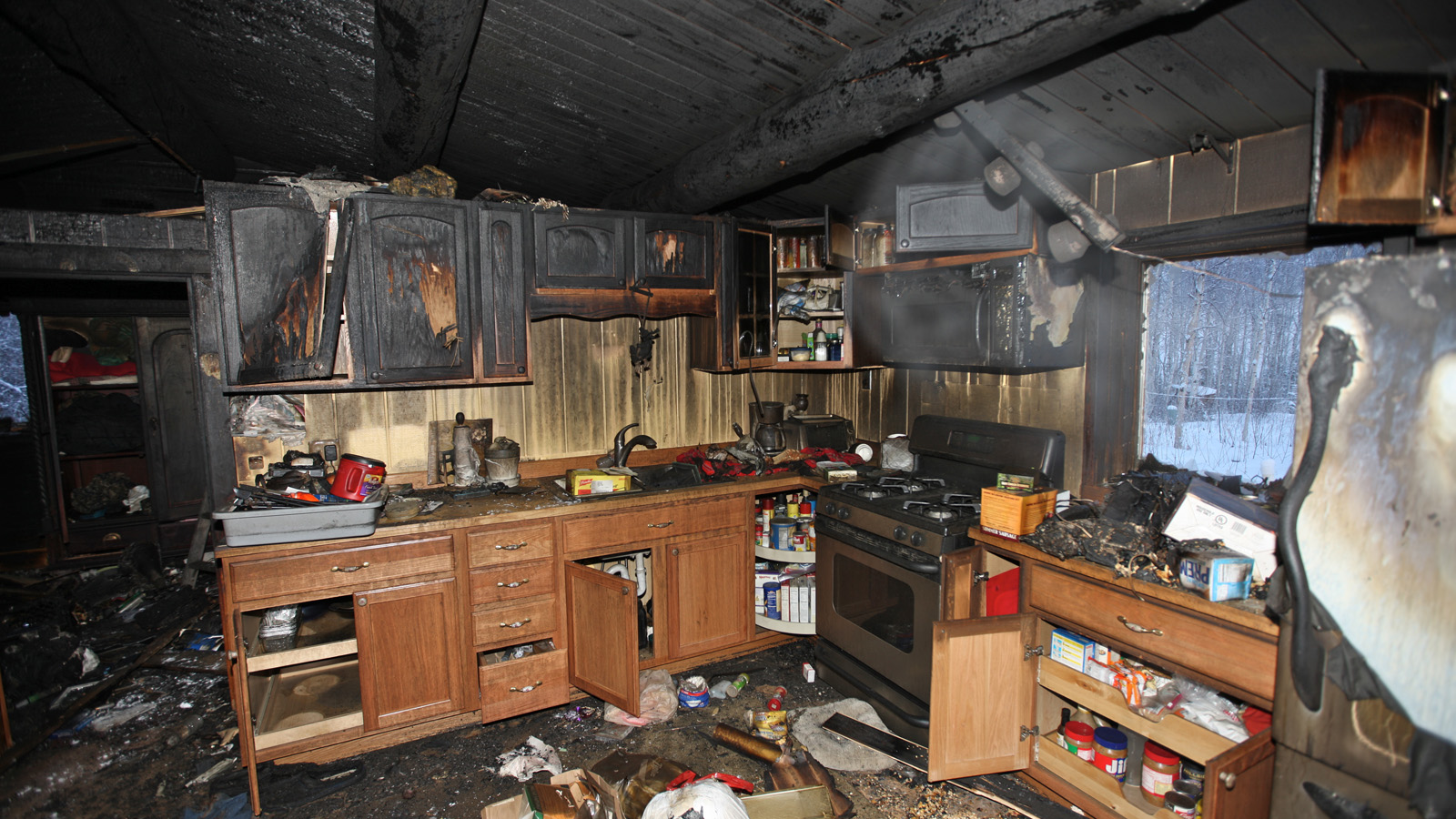
whether it was a faulty outlet that led to the disaster or a lit cigarette that got out of hand, home fires are some of the most devastating type of damages that your property can experience. People will immediately reach out to a fire damage restoration team, entrusting them to handle the soot removal, odor elimination and structural reconstruction. If you’re looking for an in-depth understanding of what is fire damage restoration, the following blog is the perfect one for you.
From Breakouts To Reconstruction: Taking A Deep Dive Into Fire Damage Restoration
Fire doesn’t just leave behind melted plastic and charred furniture; it leaves behind sticky soot and acrid smoke that cause respiratory problems and corrode surfaces. So, how do we take care of it? Hiring experts to perform a comprehensive service is the best way to handle fire-damaged property.
If you want to understand what goes into fire damage restoration services, take a look below.
- Securing Property
The first thing that a fire damage team does is to secure your property against potential theft, harsh climatic conditions and pest infiltration. This includes boarding up windows and doors and also tarping the roof. this prevents your property from further deterioration.
- Water Extraction
Up next, removing all the standing water. the fire department would have had to use copious amounts of water and chemicals to put out the fire. The fire damage restoration team uses pumps and industry-grade vacuums to suction out all the standing water; preventing mildew and mold growth.
- Damage Assessment
Once the immediate work is done, as part of your fire damage restoration service, the team will thoroughly examine the property. they’ll make note of all the damaged drywall, the extent of the structural damage, all your possessions that were burnt or soaked and how much you’ll need to restore everything.
- Debris Removal
Next, the team will remove all the debris from the site. This includes burnt furniture, destroyed carpeting, damaged technology and pieces of walls, floors and even ceiling. Clearing the space is important to make the restoration phase easier and to salvage whatever can be later on.
- Contact Insurance Providers
Now, it’s time to share all the damages with your insurance providers. As part of your fire damage restoration service, the team will plead your case on your behalf, sharing photographic and video evidence to strengthen your case and reduce the burden of restoration on your bank accounts.
- Combat Soot & Smoke
Okay, let’s start the clean-up phase. the fire damage restoration technicians will employ equipment like HEPA vacuums to eliminate signs of stubborn soot from every surface in the house. They will then use air scrubbers to eliminate smoke odors so that the air is refreshed once again.
- Property Sanitization
The fire and then the water will have left behind plenty of bacteria that could lead to health complications, mold and moisture damage later on. So, the clean-up crew also uses industry-grade cleansing agents and disinfectants to eliminate all those particles; ensuring that your property doesn’t suffer any more than it already has.
- Content Restoration
Now, the team will move on to salvaging everything that can be restored. This may include taking everything like furniture, technology, floor furnishings and even toys off-site and restoring it to its pre-fire condition.
| NoteThis can be a huge cost-saving step! |
- Duct Work Cleaning
Smoke and water have a way of getting into the tiniest cracks. They’ll also eliminate soot, chemicals and water from the airducts next. This will doubly ensure that you don’t smell burnt air or musty odors later on.
- Structural Reconstruction
If the damage was extensive, the team will then restore the structure. This may include everything from replacing a few wall panels to completely rebuilding a part of your property. once the construction is approved, you’re ready to move back in.
Conclusion
To summarize, fire damage restoration is the name of a comprehensive service that handles everything from initial clean-up to odor elimination to reconstruction. It is absolutely necessary whenever a fire gets out of hand and helps property owners recover their lost possessions, property and lifestyle. Depending on the extent of the damage, it can take anywhere from weeks to months. We hope this blog answered the question of ‘what is fire damage restoration.’ For further information, please drop us a line.
FAQs
Q1: How long does fire damage restoration take?
The timeline varies based on the fire’s severity, the size of the property, and the type of damage. Minor smoke and soot cleanup may take a few days, while structural repairs can take weeks.
Q2: Can smoke damage be fully removed from a property?
Yes. Professional restoration companies use specialized equipment and techniques to remove smoke odor and residue from walls, ceilings, and HVAC systems.
Q3: Does insurance cover fire damage restoration?
Most homeowners’ insurance policies cover fire damage, including cleanup and repair. Always check your policy and document the damage thoroughly for claims.
Q4: Are fire damage restoration services safe for children and pets?
Yes. Certified professionals use eco-friendly and safe cleaning agents, and they follow strict safety protocols to minimize health risks during restoration.
Q5: What steps are involved in the fire damage restoration process?
The typical process includes damage assessment, water extraction (if sprinklers activated), soot and smoke removal, structural repairs, and odor remediation.
Q6: Can personal belongings be restored after fire damage?
Many items, including furniture, documents, and textiles, can be cleaned and restored using specialized techniques, though some severely damaged items may need replacement.
Q7: How do professionals detect hidden fire damage?
Experts use thermal imaging, moisture meters, and thorough inspections to find damage behind walls, under floors, and in structural components that may not be immediately visible.
Q8: Is it necessary to ventilate a property after a fire?
Yes. Proper ventilation helps remove lingering smoke particles, reduces odors, and improves indoor air quality before restoration work begins.