Buyers of homes find huge accomplishments with homeownership; however, for buyers who fall in love with an older home, they may unknowingly acquire an older home that has hidden hazards related to the environment. As you concentrate on the new layout of the house, the location of the home, or the updated kitchen, you should also pay attention to what exists inside the house’s walls, below the floor, or around the pipes in the basement, to help you avoid ruining your sale.
Navigating the 25% Roofing Rule Without Financial Stress
You should not be gambling with your health and savings when you are exploring the purchase of a new home. By having a targeted pre-purchase asbestos inspection done prior to your real estate due diligence, you receive the maximum benefits from a successful real estate transaction—namely, you will have a very clear understanding of the environmental safety conditions of the home, and you will have the potential to have a $10,000+ unexpected emergency remediation bill, along with very strong legal leverage for negotiating repair credits and/or price decreases before closing on the property asbestos survey.
Pre-Purchase Asbestos Inspection: A Property Buyer’s Nightmare
What many property purchasers do not know is that a typical house appraisal does not include all elements of building safety. Unfortunately, many people will find out too late that they have purchased a property that they cannot use safely due to health hazards. This situation can be created at the time of purchase when buyers are not careful to ask about any existing hazardous materials on or in the property they are buying.
Typical House Appraisals vs. Asbestos Testing
Standard house appraisers or inspectors are simply general (visual) inspectors who carry no hazardous materials testing capabilities. Their contracts specifically indicate that they cannot identify or test for any hazardous material on or off the site or in the home unless they actually take a physical sample to send to a laboratory. If they find a material that they believe may contain pre-purchase asbestos in your home, they typically will only note it as a “red flag” (an item of concern) in your report and refer you to an asbestos specialist.
High Risk Areas Where Asbestos Can Be Found in Older Homes
Asbestos was once thought to be a wonder material because it was so great at insulating homes from heat and noise, but also because it was considered a safe material to use when building or decorating homes until the 1970’s.Pre-Purchase asbestos can be incorporated into many different products found in any home, including the following:
1. Textured Ceilings That Look Like Popcorn: Designed to reduce sound and cover up imperfections on the surface of drywall, textured ceilings were used extensively throughout homes from the late 1970’s through the 1980’s via mixing Pre-Purchase asbestos fibers into the gypsum compound.
2. Vinyl Floor Tile: 9×9-inch vinyl floor tiles and the black mastic (adhesive) that holds them down contain a lot of asbestos; check before purchase.
3. Pipe and Boiler Insulation: Wrapped with a kind of corrugated paper or a type of chalky white plaster, the insulation around pipes and boilers found in the basements and crawl spaces of older homes, if it becomes damaged, is very dangerous to your health.
4. Exterior Siding, or Roof Shingles: Rigid cement board siding for use on home building and roofing is commonly made from Asbestos to provide fire protection from the spread of fire between houses that are built very closely together.
Inspection & Testing Protocol
If you are under contract to buy an older home, an environmental inspector will conduct a scientifically validated pre-purchase asbestos inspection before buying the house to identify potential environmental hazards while at the same time prevent contaminating the home.
Bulk Sampling / Laboratory Analysis / Risk Assessment
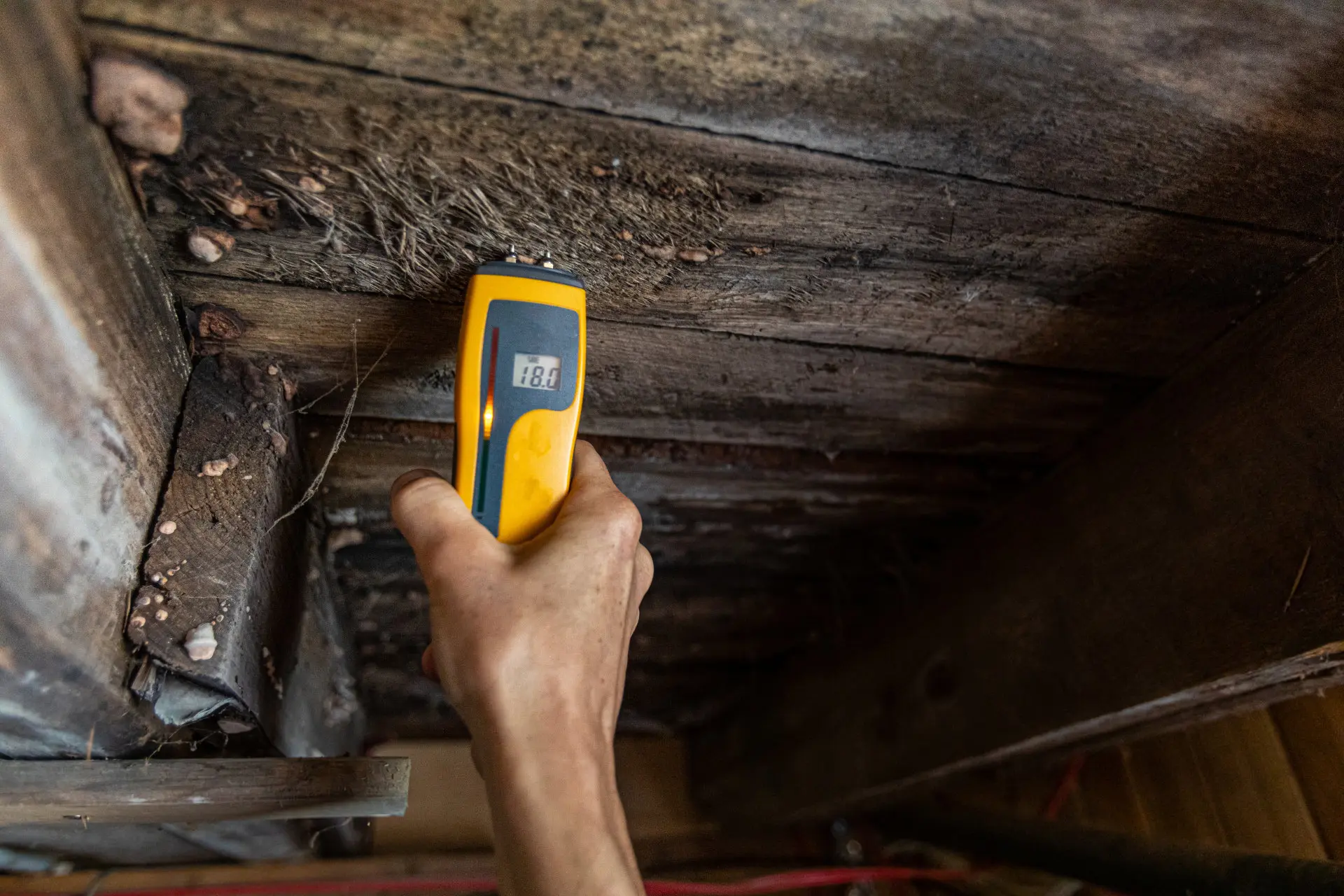
As part of your home inspection, your environmental inspector will conduct a walkthrough of the house to identify materials that may contain suspect pre-purchase asbestos (i.e., the inspector will search the house for materials that could reasonably be suspected of containing asbestos). If the seller consents to “testing” (i.e. the seller permits an environmental technician to collect samples) the environmental technician will mist the area with water (to reduce the number of airborne particulates) and collect a small sample of material.
This sample is collected in bags or containers that are sealed and sent to a laboratory (preferably to a laboratory that is accredited for PLM analysis) for PLM testing. The results of the laboratory analysis will provide information regarding the total percentage, types, and condition of the asbestos in the samples collected.
Asbestos is a very strong financial tool for you, as a real estate investor. Discovering asbestos during your due diligence period does not need to cause you to panic. In fact, it allows you to manage your finances when purchasing a property.
If you discover pre-purchase asbestos in the drywall joint compound or the basement floor (when you are performing routine renovations on the property after being closed on it), your project will come to an immediate halt, as upgrading HVAC systems or continuing with renovations will require strict abatement procedures to be put in place. This could add thousands of dollars in unexpected costs to an otherwise simple and routine renovation.
If you discover asbestos-related hazards before closing, you now have 100% control over the transaction. You may require the seller to hire certified abatement contractors to remove the identified hazards before you move into the property, or you may require a holdback of funds from the seller to fund removal of the hazards yourself, or you may be able to use the hazard(s) you found during your due diligence to negotiate for a lower purchase price.
Why Hiring a Pro is Important
You should never try to take pre-purchase asbestos samples yourself, as doing so could result in the entire house being contaminated and your family members being exposed to airborne pre-purchase asbestos fibres if you are cutting into an old ceiling or scraping up a floor tile without commercial containment equipment.
You are only providing yourself with a legally binding chain of custody for the lab results that will be generated by hiring an accredited professional who holds a valid license. Home test kits on your own will not be accepted by real estate attorneys, mortgage lenders, or any seller of the home being tested. The report prepared by an accredited, licensed professional will provide you with the hard evidence necessary to force a seller to negotiate with you.
Conclusion
The only solution to avoid your ideal residence turning into a financial as well as environmentally damaging pitfall is to conduct a reclosure pre-purchase asbestos inspection on the property before signed contracts are exchanged. Detecting these hidden dangers before the completion of closing documents, you obtain both the clarity needed to protect the health of your family, as well as the leverage necessary to maintain your home equity from day one.
If you have a purchase contract on a property constructed before 1990, ensure that you have all of the facts in place before your due diligence period concludes. Contact our environmental professionals today to schedule a comprehensive, real estate pre-purchase asbestos inspection.
FAQs
Does a home built after 1980 still need an Pre-Purchase asbestos inspection?
Yes. While the EPA instituted partial bans in the late 1970s, pre-purchase asbestos was never fully banned in the United States.
What is the difference between “friable” and “non-friable” asbestos?
Friable pre-purchase asbestos can be easily crumbled, crushed, or reduced to powder by hand pressure (like old paper pipe wrap), making it highly dangerous because it easily releases airborne fibers.
How long does a pre-purchase asbestos inspection take?
The physical on-site inspection and sample collection generally take 1 to 2 hours. Standard laboratory processing and report generation take an additional 2 to 5 business days, though rush testing can often be requested during tight real estate windows.
Can I just use a DIY asbestos testing kit from a hardware store?
It is highly discouraged during a real estate transaction. DIY kits do not include proper personal protective equipment (PPE), risk exposing you to airborne fibers during sampling, and their results are rarely accepted by sellers or insurance companies because they lack a certified chain of custody.
Is a seller legally required to fix asbestos if found?
No, a seller is not legally forced to fix it, as long as it is left undisturbed. However, once an official lab report reveals its presence, the seller must legally disclose it to any future potential buyers if your current deal falls through.