Introduction
Flood damage may transform a simple leakage into a huge calamity in hours. Knowledge of water damage restoration can enable professional responders to respond promptly, reduce losses, and safeguard health. From burst pipes to storm flooding, the best restoration method eliminates water, removes latent moisture, prevents moulding, and fixes the damage. This summary gives the answer to “what is water damage restoration”, why it is important to be quick, and how professionals today safeguard the restoration of properties to their condition before the loss by doing so clearly and confidently.
What Is Water Damage Restoration?
Water damage restoration is a professional activity that involves cleaning, drying, repairing, and restoring a property that has been infiltrated by water. This is aimed at restoring the space to its pre-damage state and avoiding secondary problems such as growing moulds, structural deterioration, and health risks.
Restoration is more than just the drying of what you can see; it is detecting, controlling, and repairing all the moisture so that your home can be safeguarded in the long run.
Read along to know more about water damage restoration:
- The Common Causes of Water Damage
Water damage may be instant or gradual as a result of internal or external deterioration. The source will be identified to identify the correct way of restoration and precautions. Here are the common causes of water damage:
| Cause | Examples |
| Plumbing Failures | Burst pipes, leaks, and clogged drains |
| Weather Events | Heavy rain, storms, floods |
| Roof Issues | Missing shingles, damaged flashing |
| Appliances | Washing machines, dishwashers, heaters |
| Sewage Backups | Blocked sewer lines, sump pump failure |
- Categories of Water Damage (Why It Matters)
Water damage is categorized according to the contamination level in order to establish health risks, safety measures, and restoration measures. Adequate sorting gives the appropriate gear, safety attire, and cleaning method. Keep reading:
| Category | Common Sources | Risk Level |
| Category 1 – Clean Water | Broken supply lines, rainwater | Low risk if treated quickly |
| Category 2 – Gray Water | Washing machine overflow, dishwasher leaks | Moderate risk due to contaminants |
| Category 3 – Black Water | Sewage, floodwater | High risk, requires specialized cleanup |
Water Damage Restoration Process (Step-by-Step).
Water damage restoration is a systematic procedure created to prevent additional harm, eliminate water, deter mould, and restore the property without risking harm or losses.
Read the following steps that are involved in water damage restoration:
- Step 1: Response and Inspection During Emergencies
Technicians come in fast to determine the source of the water, the extent of the damage, the type of water, and measure the water moisture using moisture meters and thermal imaging to have a precise analysis.
- Step 2: Water Extraction
Powerful pumps and industrial vacuum cleaners sweep away standing water quickly, and further spread is avoided, saturation is reduced, and fewer damages are done to the flooring, walls, and building material.
- Step 3: Drying & Dehumidification
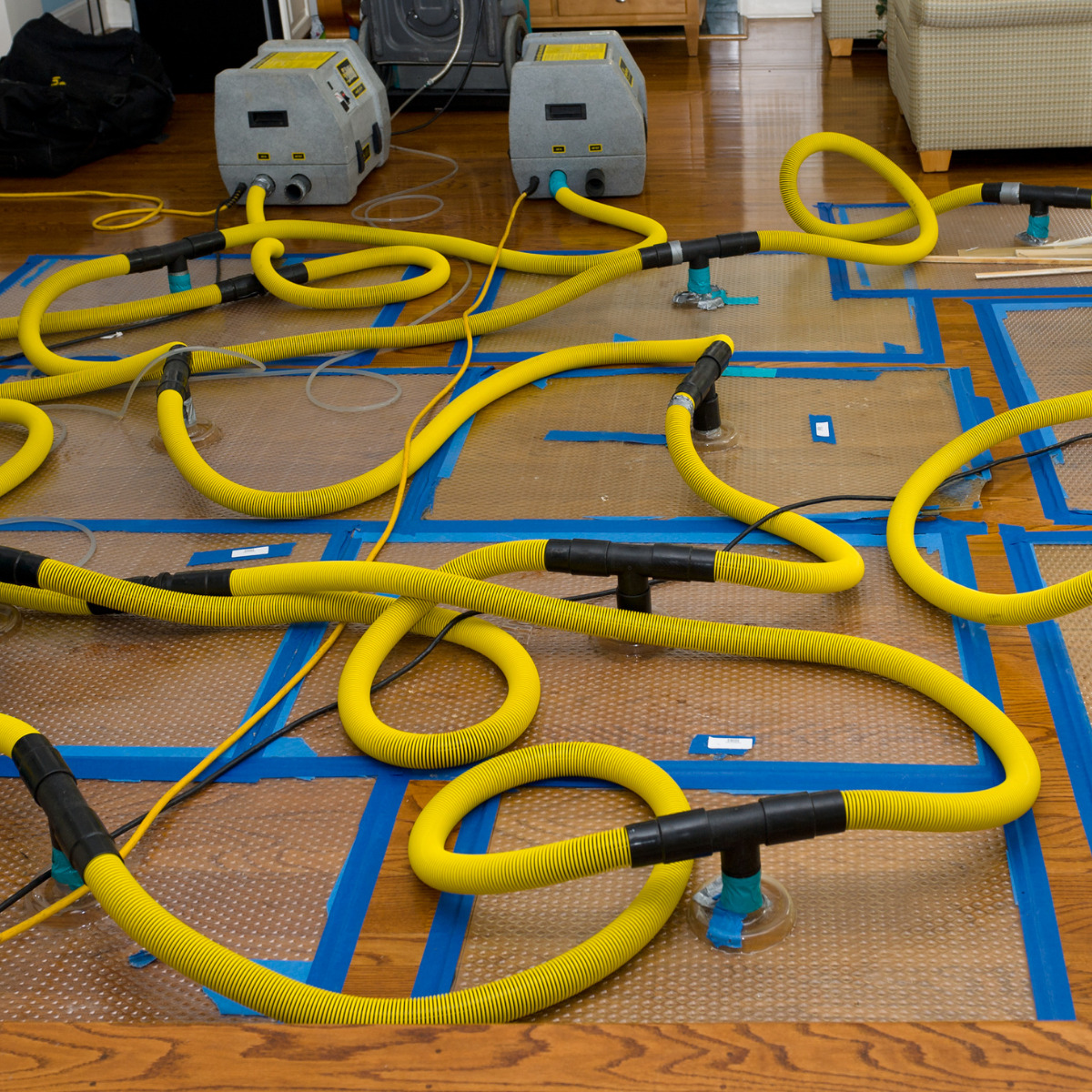
Air movers and dehumidifiers remove the moisture that is left on surfaces, walls, floors, and under the structure to make sure that the surfaces are properly dried without developing mold or weakening the structure.
- Step 4: Cleaning & Sanitizing
Contaminated surfaces, personal belongings, and HVAC are also cleaned and disinfected in order to eliminate contaminants, odors, and bacteria, most importantly following exposure to gray or black water.
- Step 5: Repairs & Restoration
Broken drywall, insulation, flooring, structural, etc, are fixed or replaced to restore the building to the pre-loss stage, and safety, functionality, and appearance are all restored.
Next Steps After Water Damage Restoration Begins
Once the immediate restoration process is underway, the next step is a thorough inspection to assess structural integrity, electrical systems, insulation, and affected materials. This evaluation helps identify any components that require repair or replacement and ensures that no moisture-related issues are overlooked. After inspections, necessary repairs such as drywall replacement, flooring restoration, and repainting can be completed to return the property to its original condition. Finally, implementing preventive measures—such as improving drainage, sealing vulnerable areas, and scheduling routine inspections—helps reduce the risk of future water damage and protects the long-term value and safety of the property.
Conclusion
To prevent further damage and to ensure safety following the sudden water intrusion, it is necessary to restore the water damage. Quick response and determining the type of water, and professional drying and sanitation can minimize costs and health hazards. It could be minor or severe, but professional restoration will guarantee the removal of any hidden moisture and get the repair done right to make sure that the homes and businesses can recover fully, and they will not have to worry about the long-term structural issues due to the lack of professional restoration, as the buildings will be as reliable and as stable as ever.
FAQs
How much time is taken when repairing water damage?
The timeline for repairing water damage depends on the extent of the damage, the type of water involved, and how quickly restoration begins. In most cases, the drying process alone takes 3–7 days, using industrial-grade dehumidifiers and air movers.
Is the cost of restoring water damage expensive?
The cost of water damage restoration varies based on several factors, including the severity of the damage, the category of water (clean, gray, or black), the size of the affected area, and the materials involved. Minor clean-water damage may be relatively affordable, while extensive damage involving sewage or prolonged moisture exposure can be significantly more costly.
Are there health problems associated with water damage?
Yes, water damage can pose serious health risks, especially if not addressed promptly and professionally. Standing water and excess moisture create an ideal environment for mold, bacteria, and other pathogens to grow. Exposure can lead to respiratory problems, allergies, skin irritation, and worsening of asthma or other pre-existing conditions.
Will my house smell after water damage restoration?
A lingering odor should not remain after proper professional restoration. Unpleasant smells are usually caused by trapped moisture, microbial growth, or contaminated materials. Professional restoration includes advanced deodorization techniques such as air scrubbing, antimicrobial treatments, and odor-neutralizing processes that address the source—not just the smell itself.
Should restoration be chosen over replacement?
In most situations, restoration is preferable to replacement, especially when water damage is addressed early. Restoration focuses on drying, cleaning, and salvaging affected materials, which often saves significant time and money compared to full replacement.Early professional restoration maximizes what can be saved and minimizes overall disruption.